The IFS lens
IFS (Internal Family Systems) was founded by Richard Schwartz approximately 40 years ago
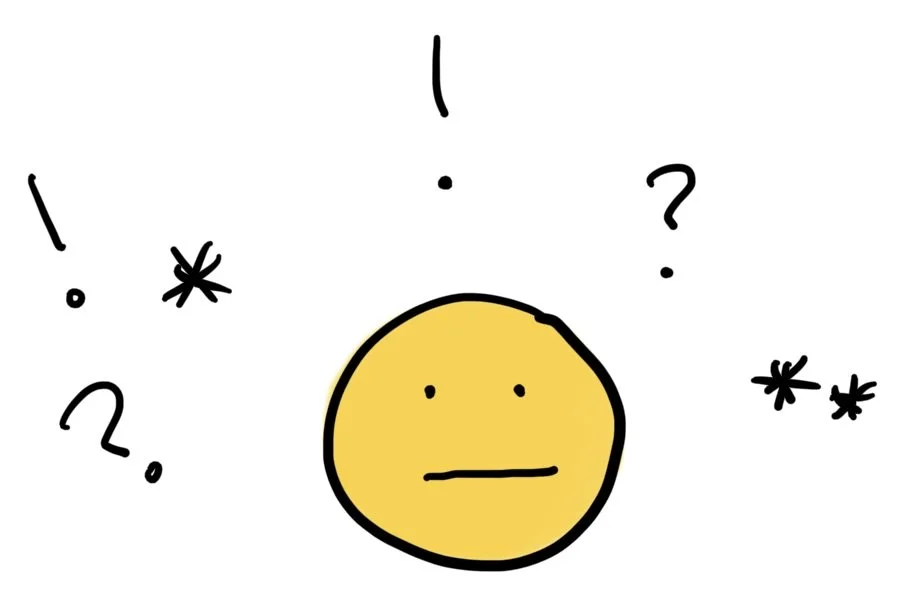
A different way of understanding yourself
What if nothing inside you is the enemy?
We all have different parts.
A part that wants to move forward — and another that puts the brakes on.
A part that feels confident — and another that quietly worries we're not good enough.
A part that wants closeness — and perhaps another that keeps people at a safe distance.
Some parts work extraordinarily hard. Some worry. Some criticise. Some please other people. Some take care of everyone. Some procrastinate, withdraw or become overwhelmed.
It can sometimes feel as though we're fighting with ourselves.
Internal Family Systems — IFS — offers another way of understanding what is happening.
Every part has a reason
IFS starts from the premise that there are no bad parts.
Even behaviours we dislike or desperately want to change usually began as attempts to protect us.
At some point in our lives they made sense.
The problem is that parts can continue doing their old jobs long after the circumstances that created those jobs have changed.
A perfectionist part may still believe everything will fall apart if it doesn't keep pushing.
A people-pleasing part may believe relationships depend on keeping everybody happy.
A highly independent part may have learned long ago that relying on anyone else isn't safe.
And underneath our protectors there may be younger, more vulnerable parts carrying experiences of hurt, rejection, shame, fear or not feeling good enough.
Rather than trying to silence or overcome these parts, IFS helps us become curious about them.
And something remarkable can happen when we do.
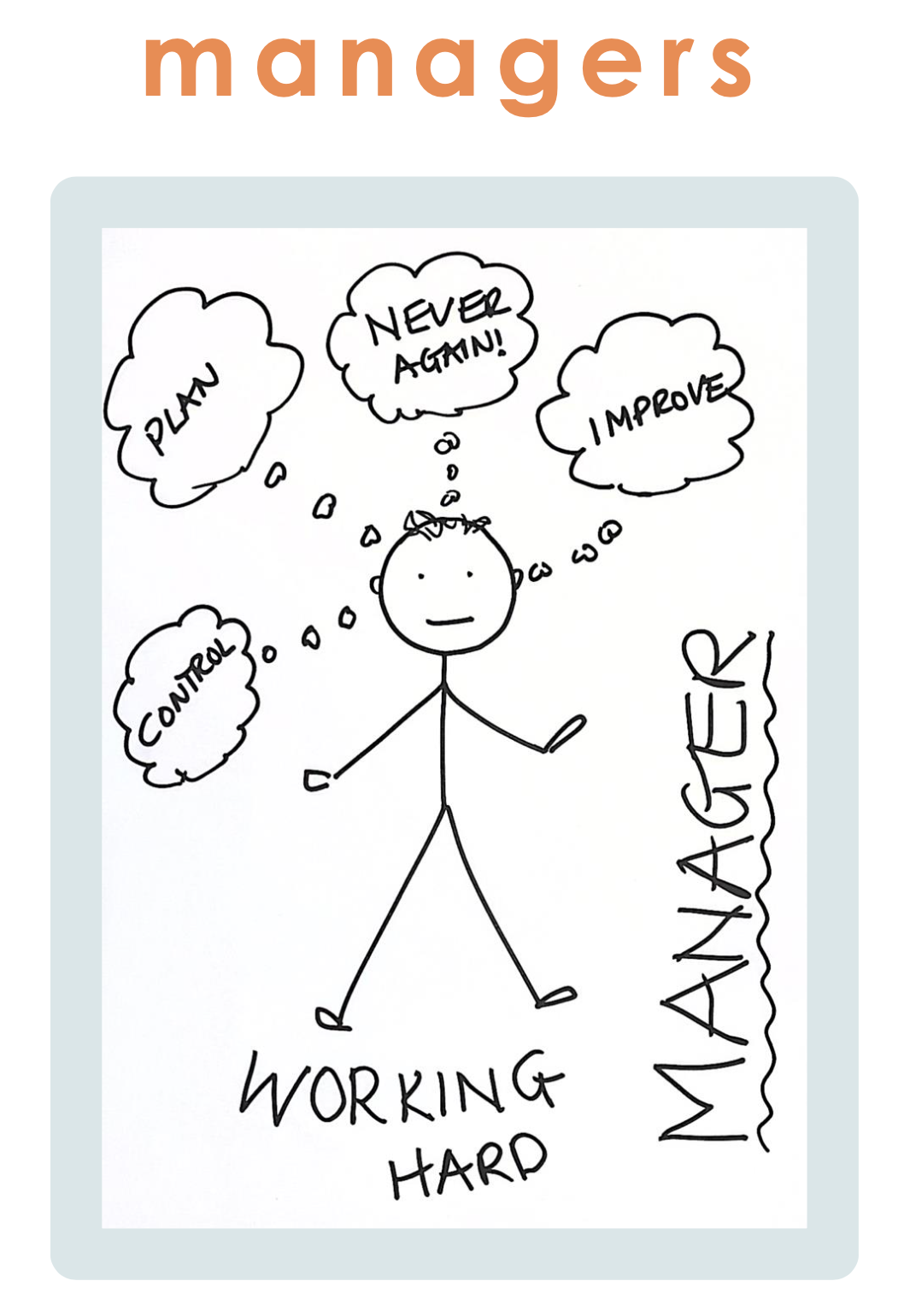
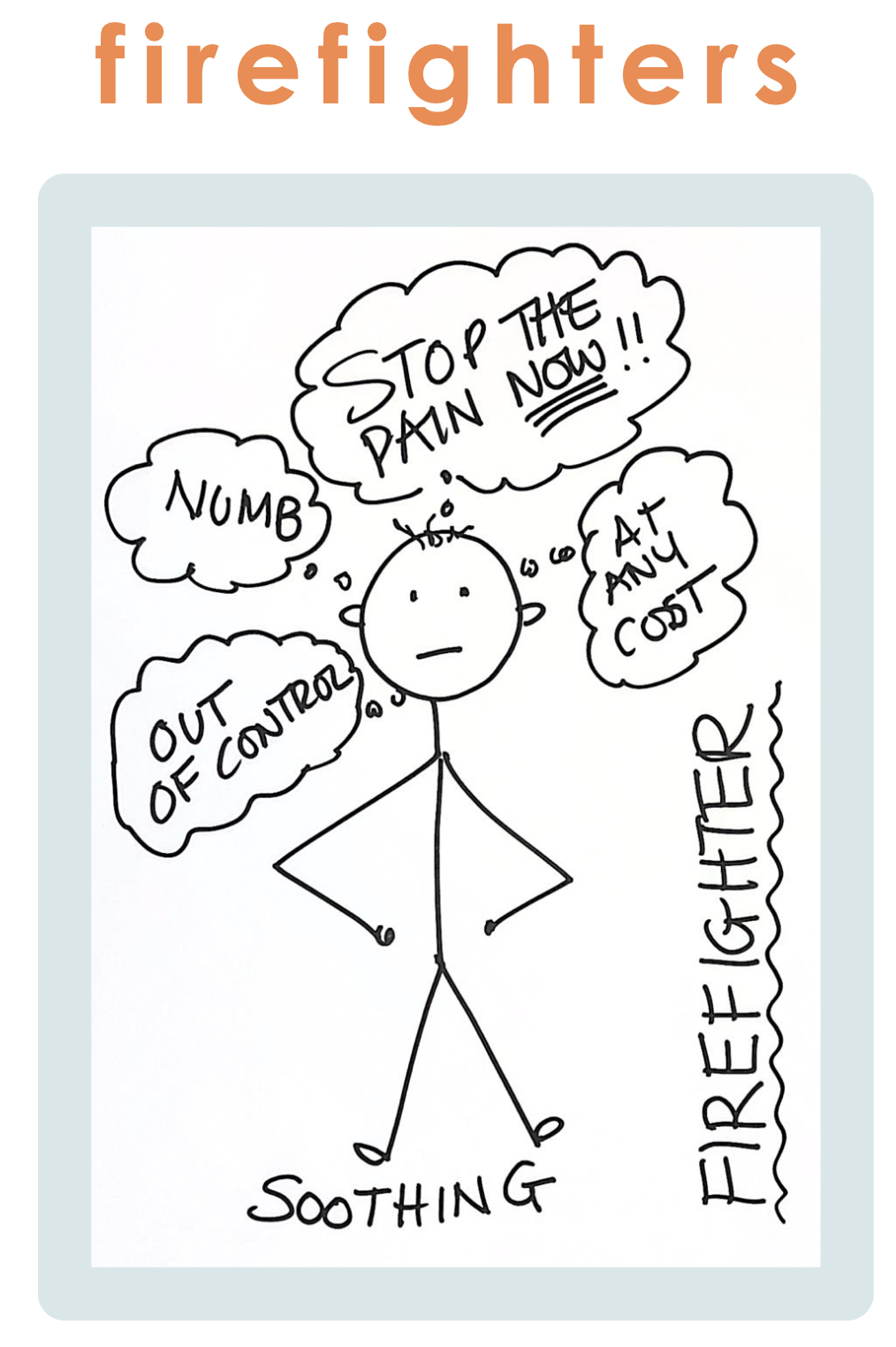
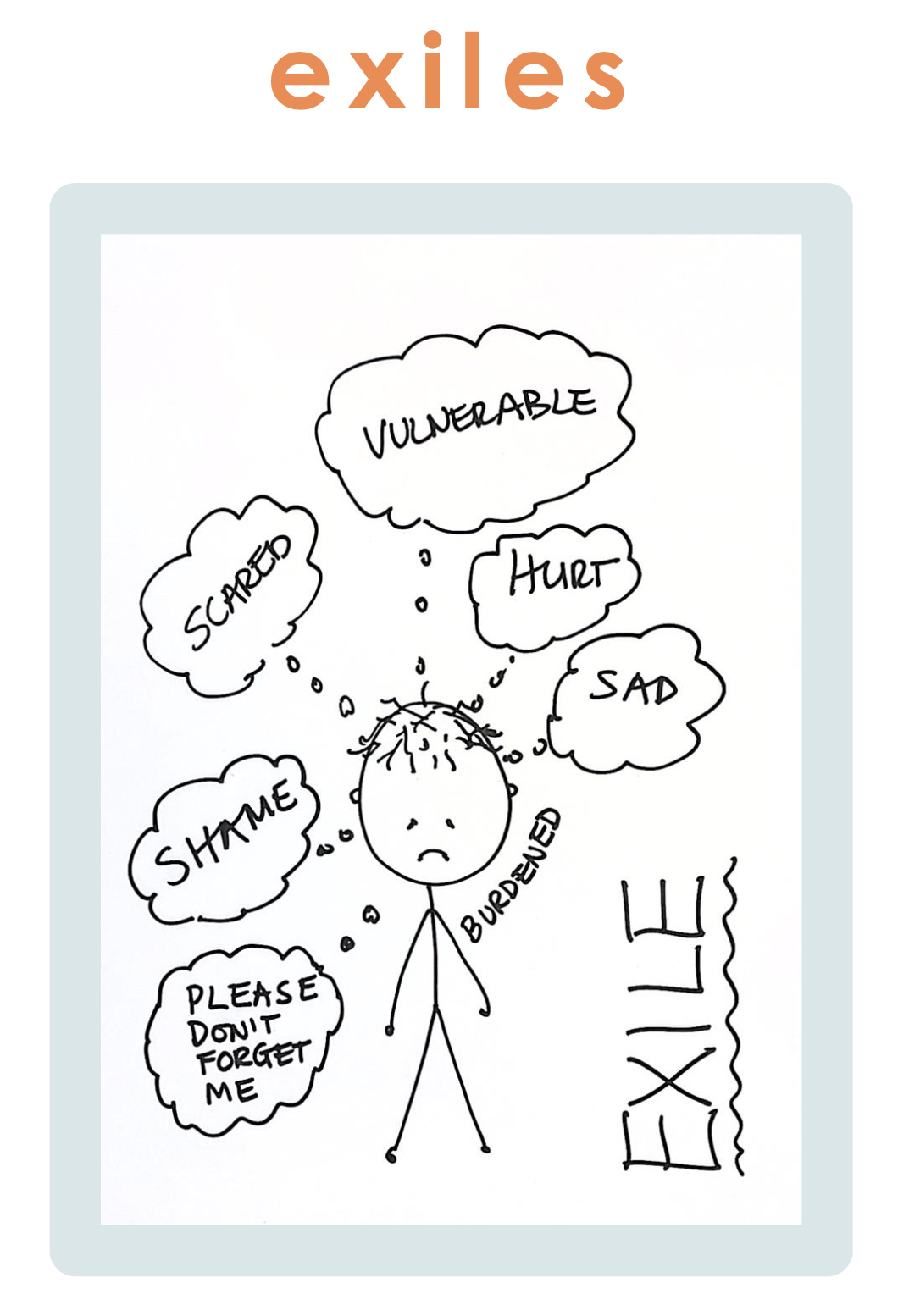
Discovering Self
IFS proposes that beneath our different parts is something else.
Our Self.
Self isn't another part and it isn't something we have to create.
It is the naturally calm, compassionate, curious, courageous and clear presence within us.
You have probably experienced it.
Those moments when the noise settles and you simply know.
When you can see a situation clearly without needing to defend yourself.
When you feel genuinely compassionate towards yourself or another person.
When you feel present, alive and authentically you.
IFS helps us create enough space for more of that Self-energy to become available.
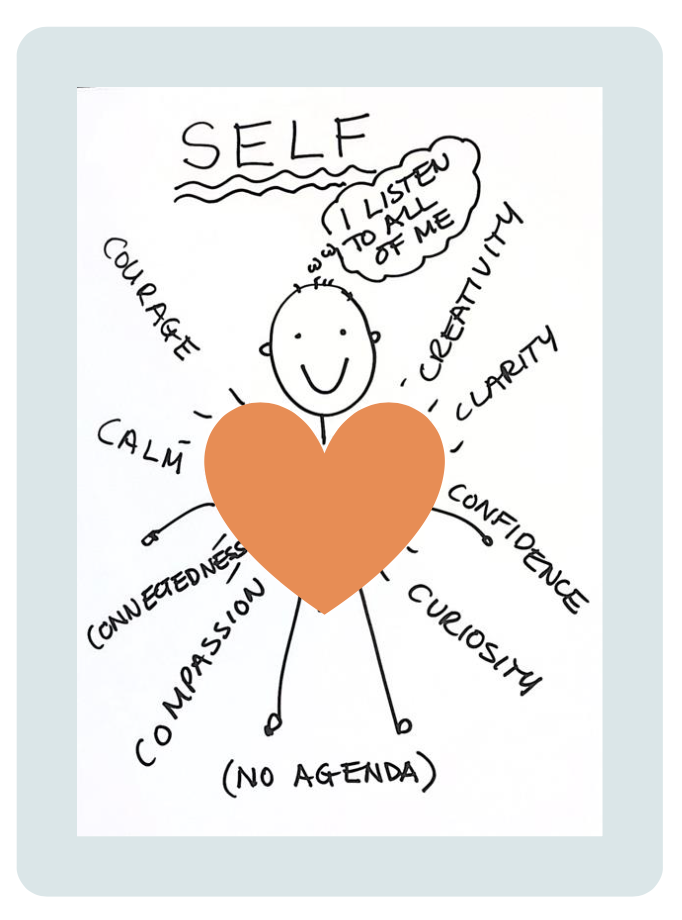
From inner conflict to Self-leadership
The aim isn't to get rid of our parts.
It's to change our relationship with them.
As parts begin to trust Self, they don't have to work quite so hard.
The inner critic can soften.
The anxious part can relax.
The achiever doesn't have to prove quite so much.
The part carrying an old wound can finally be heard and healed.
Instead of being driven by our internal system, we can increasingly lead it.
This is Self-leadership.
And as things change inside us, our experience of the outside world begins to change too.
We have more choice.
More compassion.
More courage.
More capacity to be fully ourselves.