IFS Therapy
A compassionate space for deeper healing
Sometimes we know something deeper in us needs attention.
You may be living with anxiety, stress or burnout, struggling with difficult emotions or relationships, or finding that experiences from the past continue to affect how you feel about yourself and how you live now.
Perhaps you understand your patterns intellectually, but understanding hasn't changed them.
Or life may look perfectly fine from the outside while, inside, you're struggling.
You don't have to be in crisis to seek therapeutic support.
Sometimes there's simply a sense that something within you needs care.

What if the parts of you you're struggling with aren't the problem?
Internal Family Systems (IFS) offers a gentle and compassionate way of working therapeutically.
At its heart is a simple idea: there is nothing fundamentally wrong with you.
The anxiety, self-criticism, perfectionism, people-pleasing, anger, shutting down or other patterns you struggle with may actually be ways that different parts of you have learned to protect you.
They may have been doing so for a very long time.
Rather than asking:
How do I get rid of this?
IFS invites us to become curious:
What is this part of me trying to do for me?
What might it be protecting?
When we begin listening rather than fighting ourselves, even behaviours and feelings that have seemed frustrating or inexplicable can start to make sense.
Understanding your protective parts
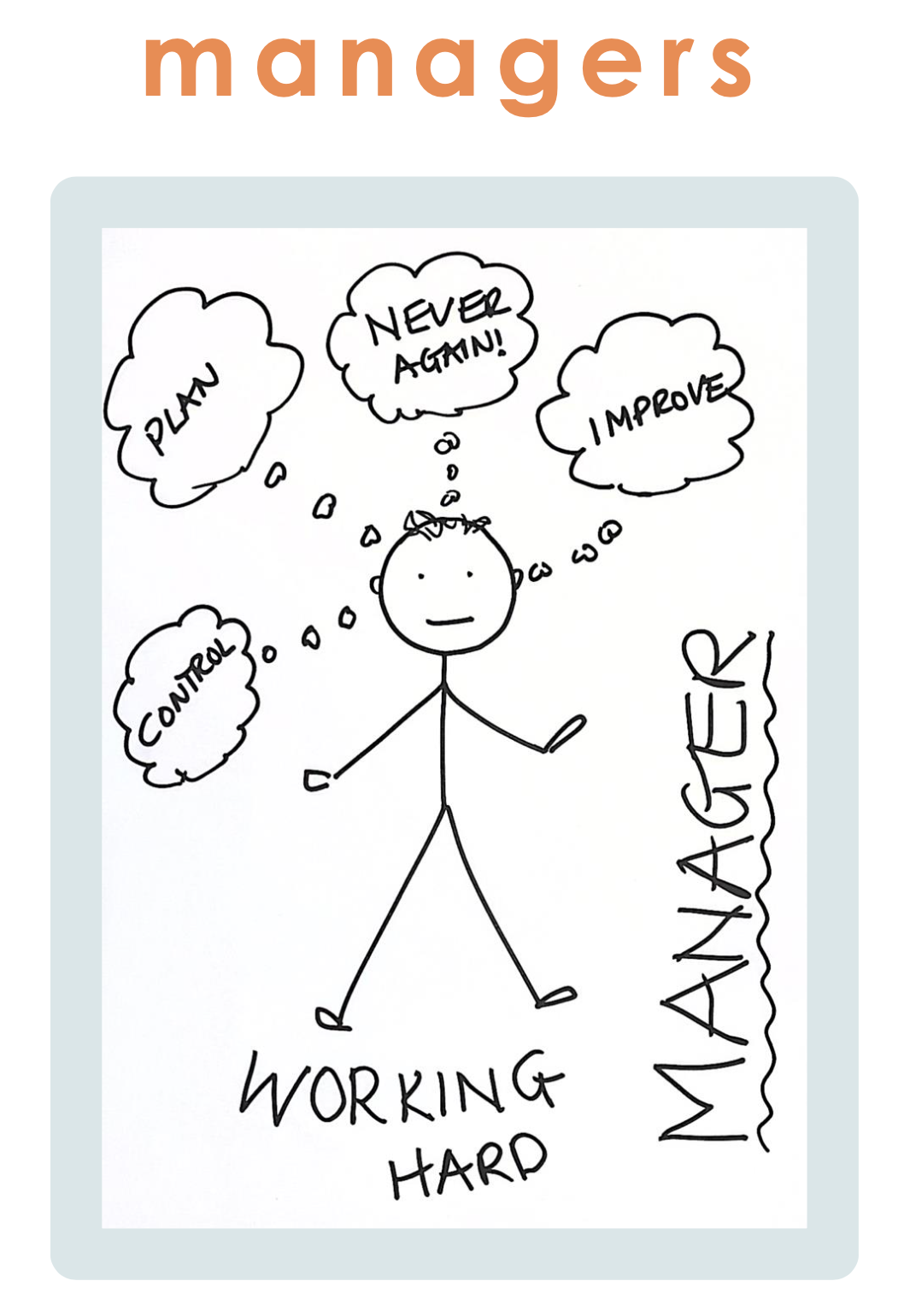
Some parts of us work incredibly hard to keep life under control.
They achieve. Plan. Please. Perfect. Worry. Anticipate. Take responsibility. Look after everyone else.
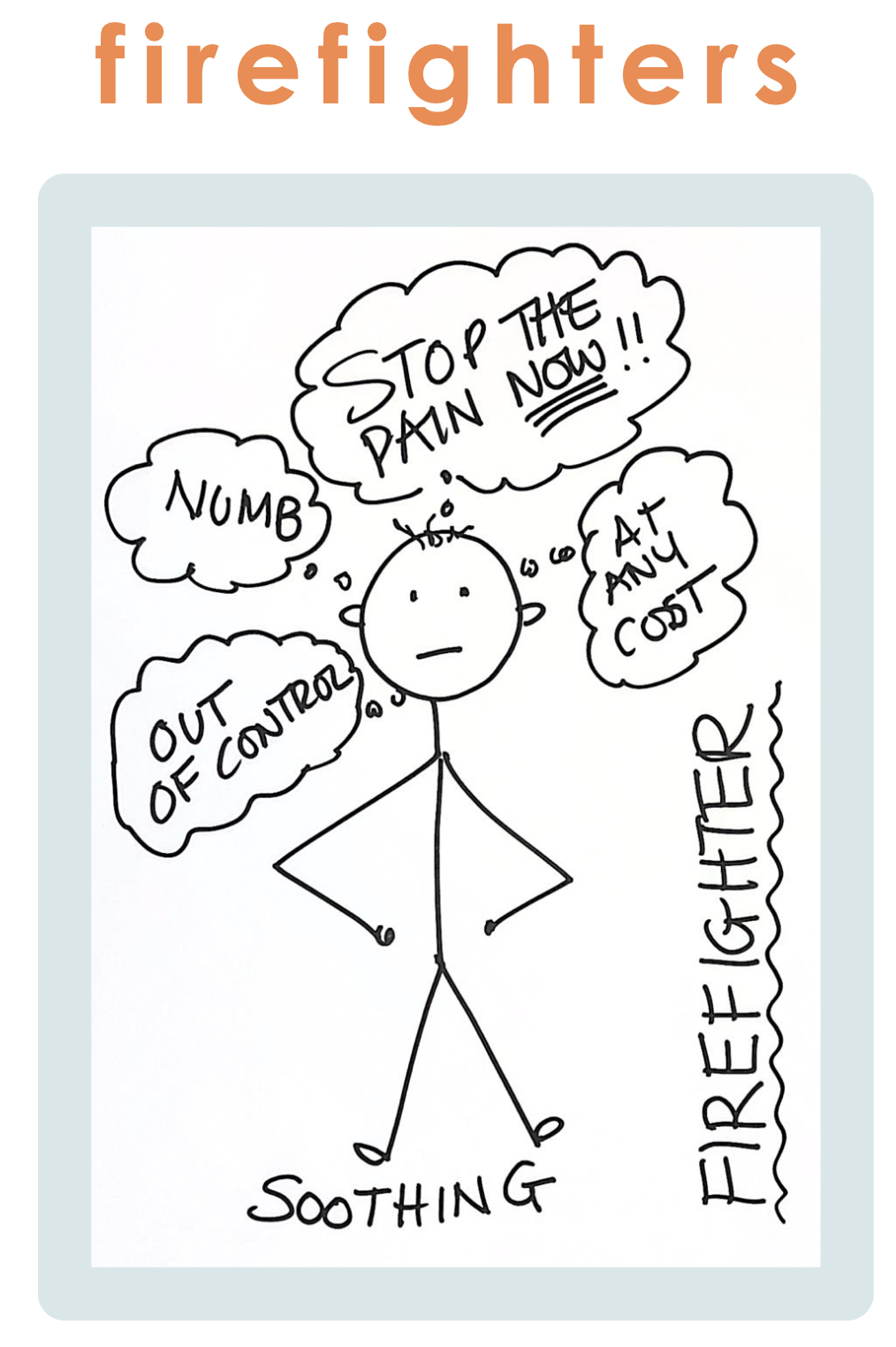
Other parts may step in when feelings become overwhelming.
They might withdraw, become angry, distract us, procrastinate, shut down or find ways to escape what feels too painful.
IFS calls these our protective parts.
Their strategies can sometimes create difficulties in our lives, but their intention is usually protective.
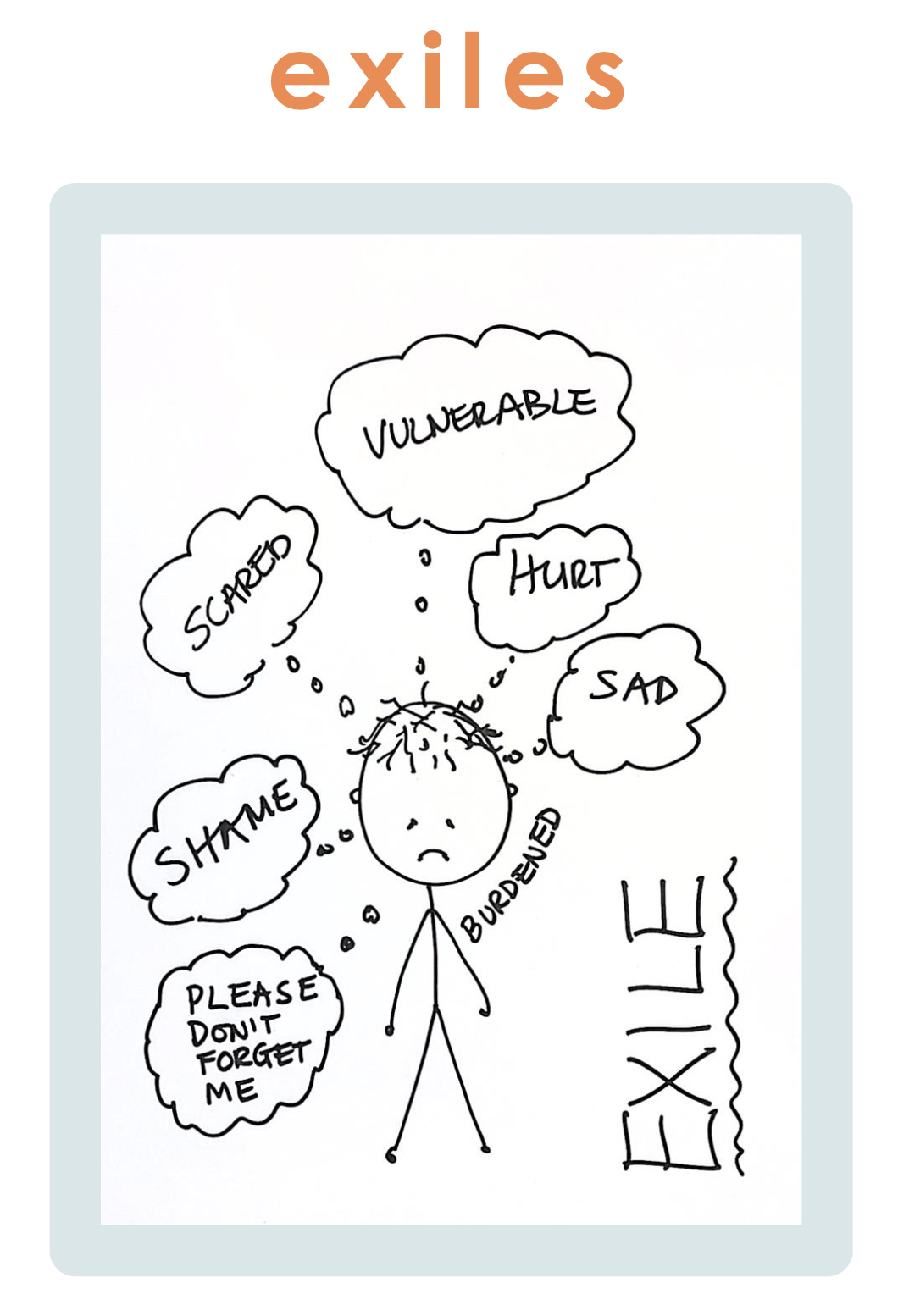
And often, underneath them, are more vulnerable parts carrying experiences from earlier in our lives.
Healing what we carry
We don't leave our earlier experiences behind simply because we've grown older.
Parts of us can continue to carry feelings and beliefs formed at times when we were much younger.
I'm not good enough.
I'm unlovable.
I'm too much.
I don't matter.
It's my fault.
I have to keep everyone happy.
I can't rely on anyone.
I have to be strong.
These beliefs can quietly shape our relationships, choices and sense of ourselves for many years.
In IFS therapy, we don't force our way towards these vulnerable places.
We respect the parts that have been protecting them.
As trust develops, it may become possible to gently meet the younger or more wounded parts underneath — helping them process what happened and release feelings and beliefs they have been carrying.
There can be something profoundly healing about meeting a part of yourself that has felt alone for many years and discovering that it doesn't have to be alone anymore.
We help that part put down what was never its to carry.
This is often where things really shift — not through insight alone, but through your own Self building a relationship with the part that's been waiting, sometimes for a very long time.
You are more than what has happened to you
One of the things I find most beautiful about IFS is its understanding that, however difficult our experiences have been, there is something within us that remains whole.
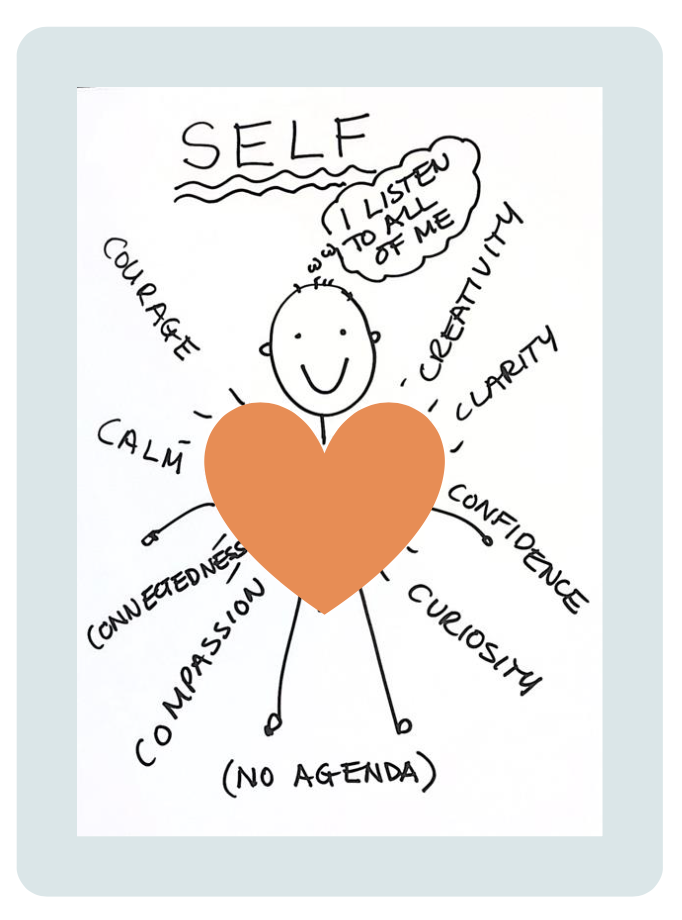
IFS calls this Self.
Self isn't a better or more evolved version of you.
It is the naturally compassionate, curious, calm and courageous presence that can emerge when our protective parts feel safe enough to step back a little.
You may already recognise it.
A moment when you can turn towards your anxiety with compassion and curiosity rather than being consumed by it.
When you feel tenderness towards a younger version of yourself instead of judgement.
When the internal noise quietens and you can sense what you actually feel or need.
The therapeutic relationship can help create the safety for this relationship with yourself to grow.
Over time, you become increasingly able to access love, connection, confidence and wisdom within yourself; and from this inner resource you can develop greater ‘Self-leadership’.
Your system finds a new balance.
The parts that have been working hardest get to rest a little. Nothing about you needs to disappear — you simply get more choice in who leads, and when.
What might you bring to therapy?
You don't need a diagnosis or a neatly defined problem.
People seek deeper therapeutic work for many reasons, including anxiety, stress and burnout; low self-worth or a persistent inner critic; perfectionism and people-pleasing; relationship difficulties; grief, loss or significant change; difficult childhood or earlier experiences; feeling overwhelmed or emotionally stuck; recurring patterns that are hard to change; and the particular challenges that can accompany neurodivergence.
You may also simply want to understand yourself more deeply.
Sometimes people come because they have spent years being capable, responsible and getting on with life — and realise there are parts of themselves they have never really had space to meet.
All of you is welcome.
What happens in an IFS therapy session?
We begin with you and what is present.
There isn't a fixed formula.
We might talk initially about what has been happening in your life and then slow down and notice what you're experiencing inside.
I may invite you to become curious about a feeling, sensation, thought or part of yourself that appears.
We don't have to push anything away and we don't have to go anywhere you're not ready to go.
Sometimes a session may be quiet and reflective.
Sometimes emotional.
Sometimes surprising.
And there can be humour too. Our internal systems are wonderfully human.
We work at a pace that respects you and your protective system.
My role isn't to analyse you or tell you who you should become.
It's to accompany you, help create a safe and compassionate space for deeper exploration, and support you in developing your own relationship with the different parts of yourself.
What sessions actually look like
ONLINE, MOSTLY
I work online via Zoom with clients wherever they are in the world, and occasionally offer in-person sessions on the Isle of Wight for those who live locally.
DISCOVERY CONVERSATION
We begin with a free video call — a chance to get to know each other, talk about what’s bringing you to IFS, and get a sense of whether working together feels right. There’s no charge and absolutely no obligation to take things further.
AN ONGOING RHYTHM
Once we’ve decided to work together, most clients meet with me weekly or fortnightly, giving us enough time and continuity for deeper, lasting change. How long we work together is different for everyone — it depends on what you bring, what you’re hoping for, and what unfolds along the way. We’ll pause from time to time to reflect on how things are going and what you need next.
If any of the above resonates with you, let’s have a chat.